
 The World Health Organization said on Tuesday there was a high risk of the polio virus spreading across the Gaza Strip and beyond its borders due to the dire health and sanitation situation in the war-ravaged Palestinian enclave. Ayadil Saparbekov, team lead for health emergencies at WHO in Gaza and the West Bank, said circulating vaccine-derived poliovirus type 2 had been isolated from environmental samples from sewage in Gaza.
Portkesmas-Unicef inisiasi pelatihan untuk kampanye imunisasi HPV
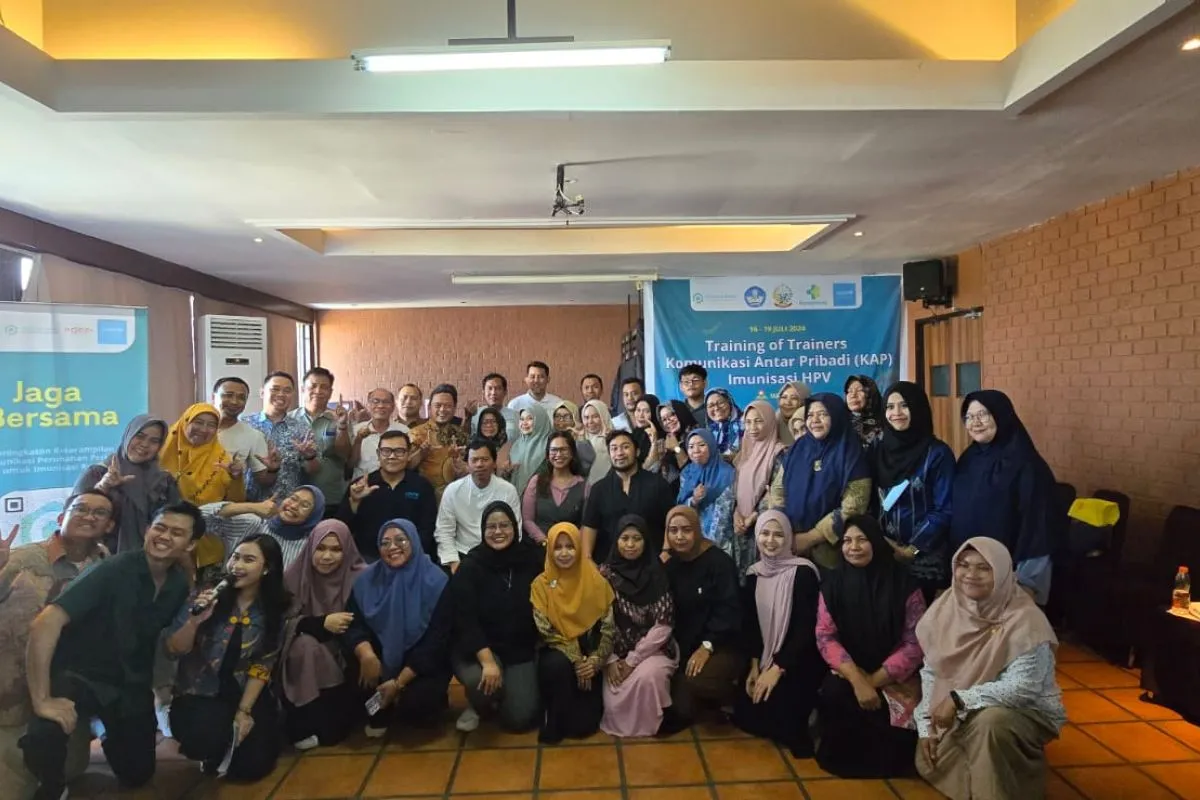 Portal Kesehatan Masyarakat (Portkesmas) yang didukung Unicef telah menginisiasi pelatihan kolaboratif yang dinamai Jaga Bersama sebagai upaya untuk mengampanyekan pentingnya imunisasi Human Papilloma Virus (HPV) untuk mencegah kanker serviks. Pelatihan ini berlangsung selama lima hari sejak 15-19 Juli 2024 untuk membekali tenaga kesehatan, guru, Lembaga Swadaya Masyarakat (LSM), dan anak muda dengan keterampilan komunikasi untuk menyampaikan pentingnya imunisasi HPV dan perilaku hidup sehat lainnya.
Healthcare Leadership in a Post-Pandemic World
 As healthcare organizations emerge from the pandemic, battered but persevering, there is an urgent need for highly effective leadership to help move healthcare into a “new normal.” There is no getting around the fact that healthcare has changed tremendously since the pandemic arrived. The entire healthcare system was thrown into chaos. People, including healthcare workers, were getting ill and dying at unprecedented levels.
AI And Health Insurance Prior Authorization: Regulators Need To Step Up Oversight
 Artificial intelligence (AI)—a machine or computer’s ability to perform cognitive functions—is quickly changing many facets of American life, including how we interact with health insurance. AI is increasingly being used by health insurers to automate a host of functions, including processing prior authorization (PA) requests, managing other plan utilization management techniques, and adjudicating claims.
AI Mulai Wujudkan Efisiensi Pelayanan Kesehatan Indonesia
 Kementerian Kesehatan (Kemenkes) RI akan mencoba pemanfaatan teknologi kecerdasan buatan atau artificial intelligence (AI) di tiga rumah sakit ternama di Indonesia, yakni Rumah Sakit Pusat Otak Nasional (RSPON) Prof. Dr. dr. Mahar Mardjono Jakarta, Rumah Sakit Kanker Dharmais, dan Rumah Sakit Dr. M. Djamil Padang. Pemanfaatan teknologi AI ini untuk meningkatkan kualitas pelayanan kesehatan di Indonesia secara efisien.
HHS provides $176 million to develop pandemic influenza mRNA-based vaccine
 The U.S. Department of Health and Human Services (HHS), through the Biomedical Advanced Research and Development Authority (BARDA), part of the Administration for Strategic Preparedness and Response (ASPR), will provide approximately $176 million to Moderna for development of an mRNA-based pandemic influenza vaccine.
12 Peneliti dari 9 Negara OKI Belajar Vaksin di Indonesia
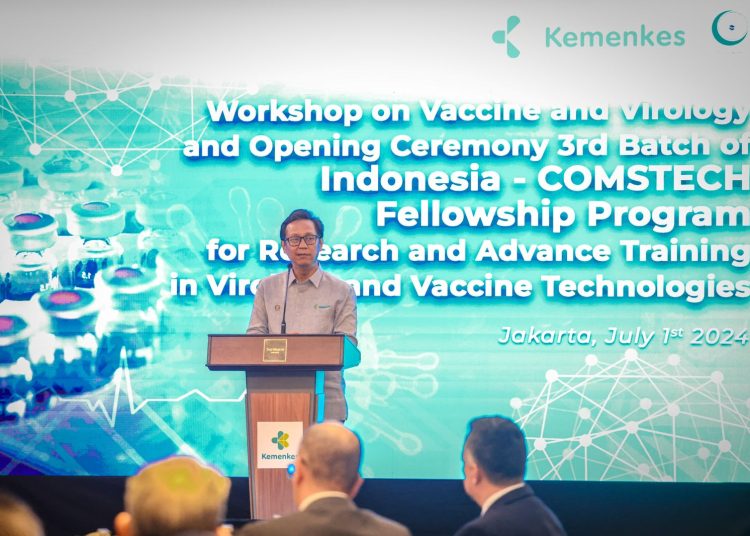 Indonesia kembali menjadi tuan rumah Program Fellowship Penelitian dan Pelatihan bidang Virologi dan Teknologi Vaksin. Program ini ditujukan bagi para peneliti dari negara-negara anggota Organisasi Kerja Islam (OKI) yang ingin mempelajari teknologi pembuatan vaksin.
Digital Transformation in Healthcare: Why EAM is the Missing Piece
 The sector that is perhaps the most critical candidate for digital transformation is the healthcare sector – the US healthcare system wastes approximately $1 trillion a year and most of it is due to administrative complexity leading to a wastage in medical supplies and equipment. The sector is slowly jumping on the bandwagon of digital transformation in an attempt to improve healthcare provision and increase the efficacy of processes.
Kolaborasi dan Inovasi: Kunci Transformasi Digital Bidang Kesehatan
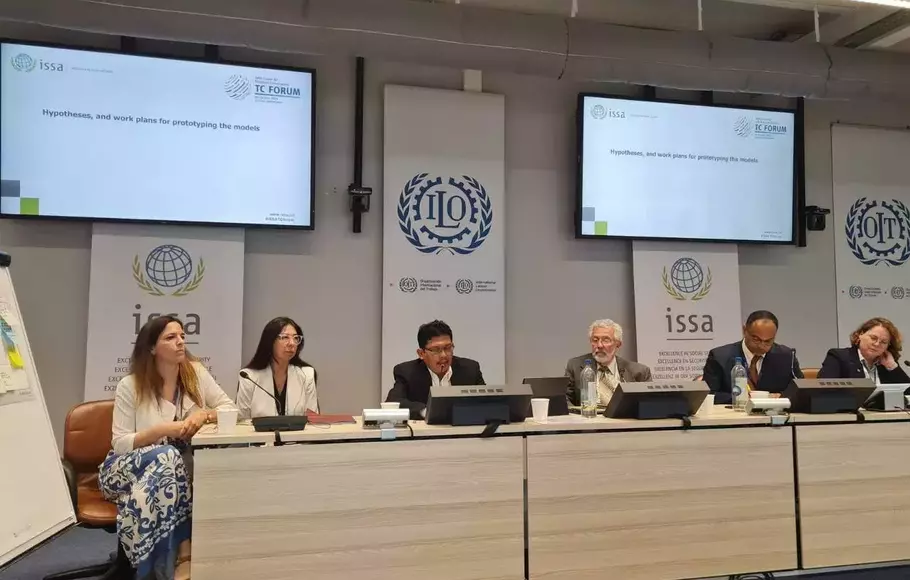 Geneva (24/06/2024) – Direktur Utama BPJS Kesehatan, Ghufron Mukti, menegaskan pentingnya kolaborasi dengan seluruh anggota International Social Security Association (ISSA) untuk mendorong inovasi di bidang kesehatan. Inovasi ini, menurut Ghufron, dapat berdampak besar terhadap sistem jaminan kesehatan yang dijalankan.
WHO Guidelines on AI in Health : Impacts on privacy and regulatory considerations
 The integration of artificial intelligence (AI) into healthcare offers great potential for advancing medical research, improving patient outcomes, and optimizing healthcare delivery. However, this integration also presents significant ethical, legal, and privacy challenges. The World Health Organization (WHO) has recently issued three guiding documents addressing the challenges of AI use for health. This contribution seeks to provide an overview of these guidelines, focusing on aspects of data protection and privacy in general.