
:strip_icc():format(webp)/kly-media-production/medias/3263663/original/070552700_1602315838-mental-health-2019924_1920.jpg) Sebuah laporan dari Organisasi Kesehatan Dunia (WHO) telah menyoroti masalah terkait kesehatan mental di Asia Tenggara. Menurut laporan tersebut, sekitar 260 juta orang di kawasan ini, setara dengan satu dari tujuh penduduknya kini menghadapi tantangan kesehatan mental.
Sebuah laporan dari Organisasi Kesehatan Dunia (WHO) telah menyoroti masalah terkait kesehatan mental di Asia Tenggara. Menurut laporan tersebut, sekitar 260 juta orang di kawasan ini, setara dengan satu dari tujuh penduduknya kini menghadapi tantangan kesehatan mental.
Wamenkes: Keselamatan Pasien Prioritas Utama Layanan Kesehatan Berkualitas
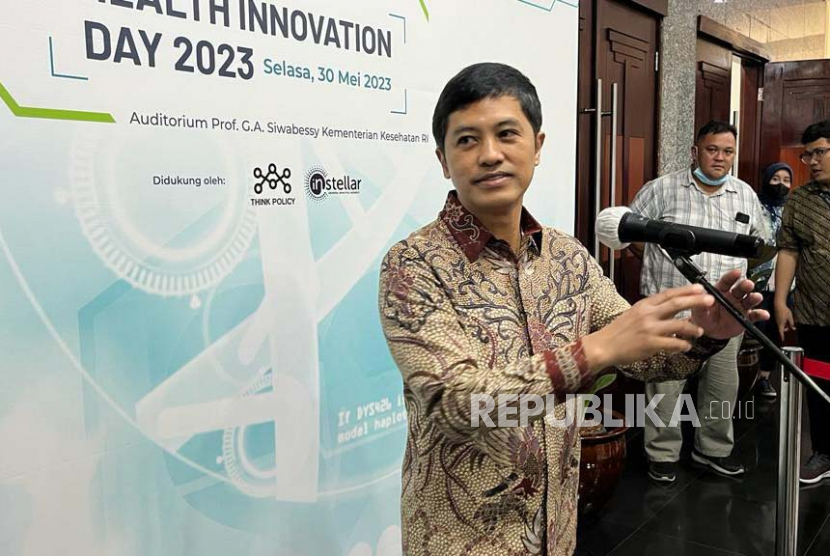 Wakil Menteri Kesehatan Prof. dr. Dante Saksono Harbuwono, Sp.PD-KEMD, Ph.D menekankan usaha mengurangi bahaya pasien dapat menciptakan pelayanan kesehatan yang lebih aman dan berkualitas.
Dalam peringatan Hari Keselamatan Pasien Dunia diikuti daring di Jakarta, Ahad (17/9/2023), Dante mengatakan keselamatan pasien merupakan isu penting dalam pelayanan rumah sakit secara global.
Kebutuhan Akreditasi Fasyankes
 Setelah vakum dua tahun karena dilanda pandemi Covid-19, pelaksanaan akreditasi fasilitas pelayanan kesehatan (fasyankes) di Indonesia dilaksanakan kembali tahun ini (medio Mei 2023). Kemenkes telah menetapkan sistem dan standar akreditasi terbaru yang harus dipenuhi dan diimplementasikan fasyankes khususnya tingkat pertama. Standar tersebut meliputi standar tata kelola, standar peningkatan mutu dan keselamatan pasien, serta standar tata kelola pelayanan dan penunjang.
Patient safety alert issued over risk of death related to medical beds
 A national patient safety alert has been issued over the risk of death from entrapment or falls relating to medical beds, with a call for all relevant staff to have appropriate training within the next 12 months. In an alert issued on Wednesday, the Medicines and Healthcare products Regulatory Agency (MHRA) said it continues to receive reports of death and serious injuries relating to medical beds and trolleys.
Telaah Kasus Bayi Tertukar, Dinkes Bogor Libatkan Komite Nasional Keselamatan Pasien
 Dinas Kesehatan (Dinkes) Kabupaten Bogor telah melakukan klarifikasi terhadap Rumah Sakit Sentosa, terkait kasus dugaan bayi tertukar setahun lalu. Dinkes juga melibatkan Komite Nasional Keselamatan Pasien (KNKP) untuk menelaah penyebab dari kasus ini.
How digital tools can support patient safety
 Digital solutions can improve information sharing and reduce the errors that cost lives. But they should be implemented carefully to avoid creating risks, writes Maureen Baker from the Professional Record Standards Body
With demand at an all-time high, and workforce shortages mounting, the focus on patient safety has never been more critical.
Digitalisasi Sistem Layanan Kesehatan Tingkatkan Standar Mutu
 Menteri Kesehatan (Menkes) Budi Gunadi Sadikin optimistis digitalisasi sistem kesehatan akan meningkatkan standar mutu serta layanan kesehatan di Tanah Air. Menkes mensyaratkan aplikasi dan fasilitas pelayanan kesehatan, seperti RS vertikal, RS pemerintah, RS swasta, Puskesmas, Posyandu, laboratorium, klinik hingga apotek, harus mengikuti standar di platform SATUSEHAT.
Child health: More focus needed on earliest years, urges WHO
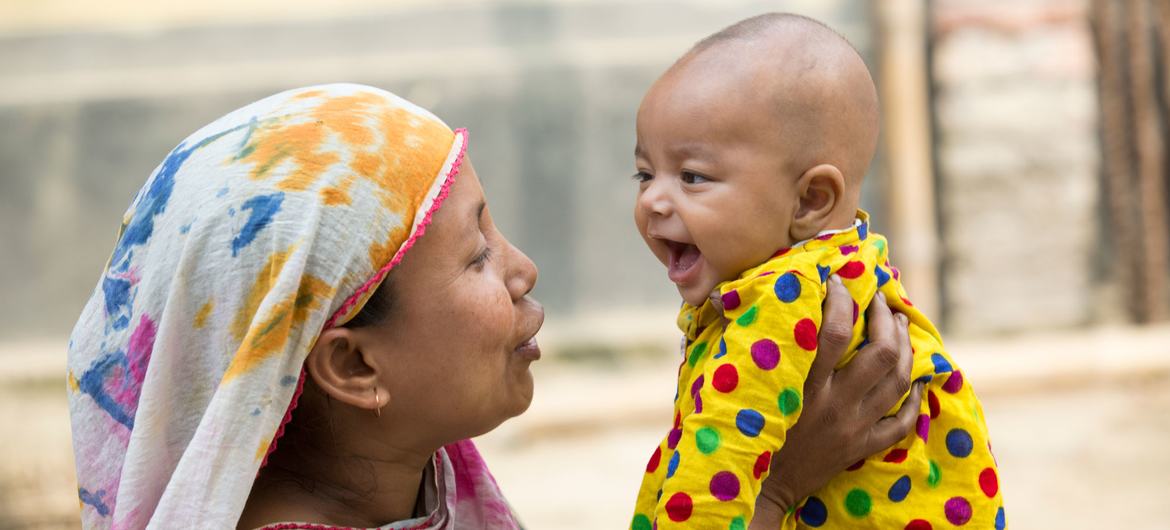 The report from the World Health Organization (WHO) and Children’s Fund UNICEF find that the first years of a child’s life provide “irreplicable opportunities to improve lifelong health, nutrition and well-being” according to a press release.
It tracks progress against the global Nurturing care framework, which provides guidance on supporting the healthy physical, intellectual, and emotional development of young children.
Konvergensi Kemitraan Turunkan Stunting di Maluku: Langkah Strategis untuk Kesehatan Anak
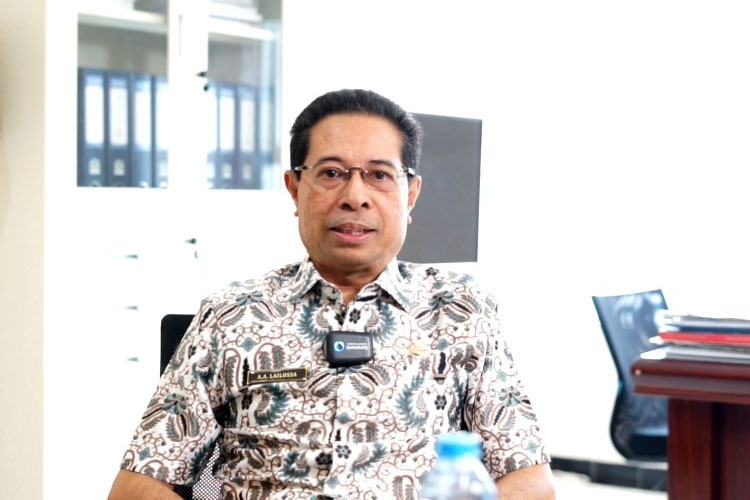 Kepala Badan Perencanaan Pembangunan Daerah (Bappeda) Maluku, Dr Anton A Lailossa, mengungkapkan bahwa Provinsi Maluku telah melakukan berbagai upaya maksimal dalam menangani masalah stunting yang menjadi isu kesehatan nasional.
Strengthening health system responses to climate risks in multilateral processes
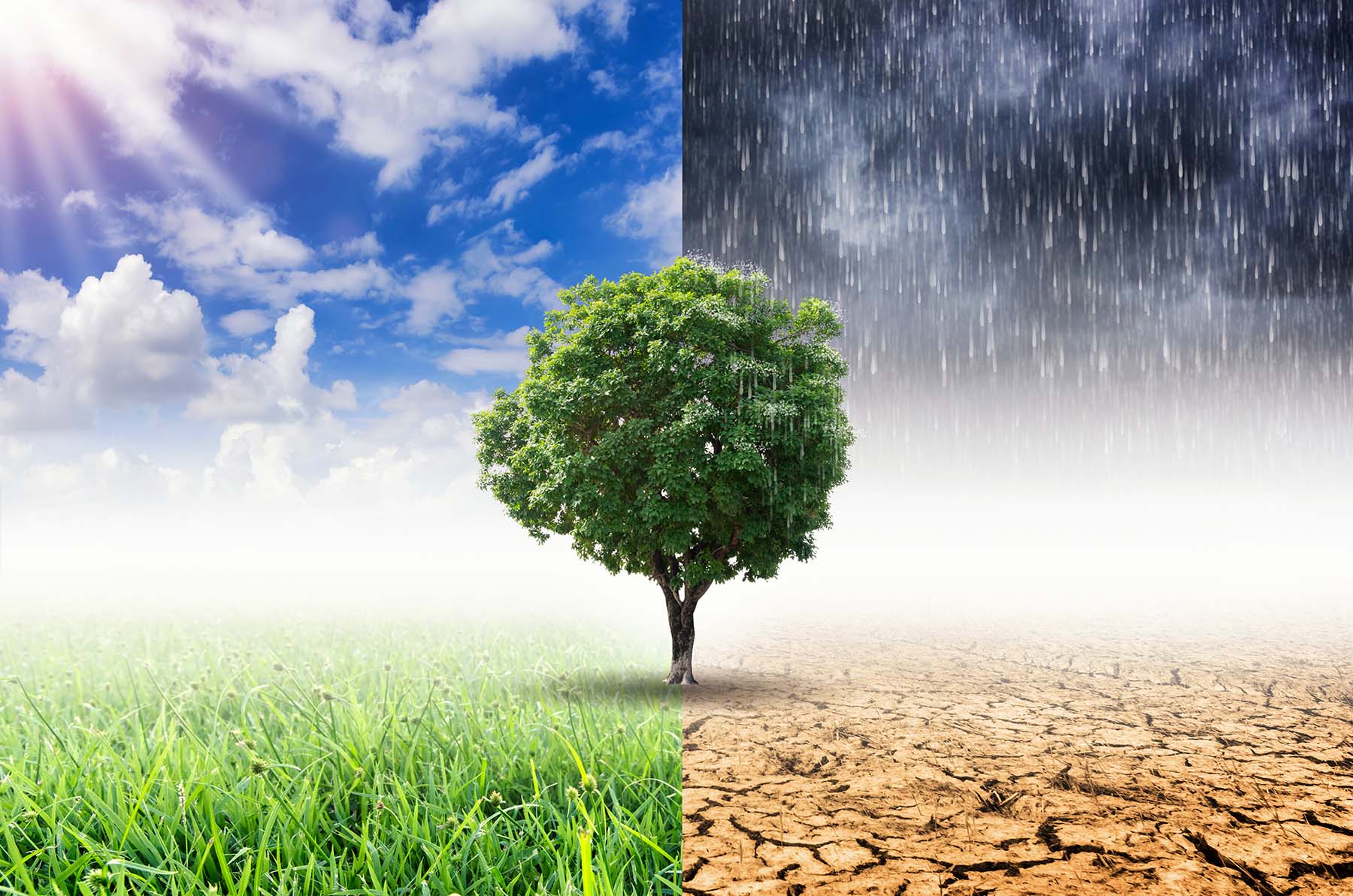 Climate change is a major global threat that has directly and indirectly impacted human health. It has threatened the essential components of good health, including clean air, safe drinking water, nutritious food, and safe shelter, and has the potential to undermine decades of global health progress. Climate change is expected to cause approximately 250,000 additional deaths per year between 2020 and 2050 due to malnutrition, malaria, diarrhoea, and heat stress.