
 Manajemen Rumah Sakit Umum Daerah (RSUD) Lanto Daeng Pasewang, Kabupaten Jeneponto, Sulawesi Selatan, akan menjalani resurveI akreditasi dari Kementerian Kesehatan (Kemenkes).
Kegiatan Pelatihan untuk Pelatih Pelatihan Penanggulangan Zoonosis dengan Pendekatan One Health bagi Pengelola Program Zoonosis di Provinsi/Kabupaten/Kota

Pelatihan untuk Pelatih Pelatihan Penanggulangan Zoonosis dengan Pendekatan One Health bagi Pengelola Program Zoonosis di Provinsi/Kabupaten/Kota

LATAR BELAKANG
Zoonosis merupakan penyakit atau infeksi yang disebabkan oleh semua tipe agen penyakit (bakteri, parasit, jamur, virus dan agen penyakit lainnya) ditularkan dari hewan ke manusia atau sebaliknya. Zoonosis merupakan bagian dari beberapa penyakit Emerging Infectious Diseases (EID), yaitu penyakit yang dapat disebabkan oleh virus, bakteri atau parasit, yang muncul dan menyerang suatu populasi untuk pertama kalinya, atau penyakit lama yang muncul kembali (re-emerging) namun meningkat dengan sangat cepat, baik dalam jumlah kasus baru di dalam suatu populasi atau penyebarannya ke daerah geografis yang baru. Selama tiga dekade terakhir, telah muncul lebih dari 30 penyakit infeksi emerging dimana sekitar 75% berasal dari zoonosis (Jones KE, Patel N, Levy M, et al., 2008). Untuk menghadapi tantangan dalam penanggulangan zoonosis, khususnya dalam kesiapsiagaan dan kewaspadaan dini memerlukan kerjasama multisektor yang kuat dan berkesinambungan dengan pendekatan One Health.
Pengertian One Health adalah pendekatan komunikasi, kolaboratif, koordinasi multi sektor dan transdisipliner – bekerja di tingkat lokal, regional, nasional, dan global – dengan tujuan mencapai hasil kesehatan yang optimal dengan mengenali interkoneksi antar manusia, hewan, tumbuhan, dan lingkungan bersama. Sehubungan dengan hal ini, dipandang perlu untuk meningkatkan kemampuan sumber daya manusia dari sektor kesehatan masyarakat, kesehatan hewan dan satwa liar terutama dalam melakukan komunikasi, koordinasi dan kolaborasi di lapangan untuk penanggulangan zoonosis dengan pelatihan penanggulangan zoonosis dengan pendekatan one health untuk pengelola program zoonosis di provinsi/kabupaten/kota. Oleh karena itu disusun kerangka acuan pelatihan penanggulangan zoonosis dengan pendekatan one health bagi pengelola program zoonosis di provinsi/kabupaten/kota. Kerangka acuan ini disusun sebagai acuan dan pedoman dalam pelaksanaan pelatihan ini.
TUJUAN
Setelah mengikuti pelatihan ini, peserta mampu melakukan penanggulangan zoonosis dengan pendekatan One Health di provinsi/kabupaten/kota sesuai ketentuan yang berlaku.
WAKTU PENYELENGGARAAN
Penyelenggaraan dilakukan secara 2 tahap:
- Tahap 1 (daring)
- Waktu: 6 hari daring dilaksanakan pada tanggal 13-18 Juni 2022
- Tempat Penyelenggaraan: Instansi masing-masing peserta
- Tahap 2 (luring) yaitu penugasan dan praktik lapangan
- Waktu: 6 hari tanggal 20-25 Juni
- Tempat Penyelenggaraan: Bapelkes Yogyakarta dan untuk PKL dilaksanakan di Desa Giri Mulyo
PESERTA
1. Kriteria: Kriteria umum: tersedia jaringan internet di tempat
Kriteria peserta dari Dinas Kesehatan Provinsi/Kabupaten/Kota
- Pengelola Program Zoonosis
- Pendidikan minimal S1 Kesehatan
- Diutamakan ASN
- Surat dari atasan bahwa setelah mengikuti pelatihan yang bersangkutan akan tetap bekerja sebagai pengelola program zoonosis minimal 2 (dua) tahun
- Peserta mengikuti pelatihan sampai selesai
Kriteria peserta dari Dinas yang Membidangi Kesehatan Hewan
- Petugas yang menangani bidang kesehatan hewan atau kesehatan masyarakat veteriner
- Pendidikan minimal S1 Kesehatan Hewan/Peternakan
- Diutamakan ASN
- Surat dari atasan bahwa setelah mengikuti pelatihan yang bersangkutan akan tetap bekerja dibidang kesehatan hewan atau kesehatan masyarakat veteriner minimal 2 (dua) tahun
- Peserta mengikuti pelatihan sampai selesai
Kriteria peserta dari Unit Pelaksana Teknis (UPT) Kementerian Lingkungan Hidup dan Kehutanan
- Pengendali Ekosistem Hutan atau Polisi Hutan atau Penyuluh Kehutanan atau Pengelola Kegiatan Terkait Satwa
- Pendidikan minimal S1 Kesehatan Hewan/Kehutanan/Peternakan
- Diutamakan ASN
- Surat dari atasan bahwa setelah mengikuti pelatihan yang bersangkutan akan tetap bekerja dibidang pengelola ekosistem hutan atau polisi hutan atau penyuluh kehutanan atau pengelola kegiatan terkait satwa minimal 2 (dua) tahun
- Peserta mengikuti pelatihan sampai selesai
2. Jumlah
Jumlah peserta dalam tiap angkatan 30 orang
KURIKULUM & MODUL
METODE
Pelatihan Penanggulangan Zoonosis Dengan Pendekatan One Health Bagi Pengelola Program Zoonosis Di Provinsi/Kabupaten/Kota ini dilakukan dengan metode blended learning yaitu daring yang dilaksanakan di tempat kerja masing-masing peserta dan luring/klasikal di tempat penyelenggaraan/lokasi praktek lapangan.
Metode Daring menggunakan Zoom meeting/Breakout Room yaitu:
- Ceramah Tanya Jawab
- Diskusi
- Penugasan
- Presentasi
Metode Luring dilaksanakan di kelas secara klasikal yaitu:
- Diskusi
- Penugasan
- Presentasi
- Praktek Lapangan
JADWAL DAN STRUKTUR PROGRAM
{tab title=”TAHAP ONLINE” class=”red” align=”justify”}
| TAHAP ONLINE | ||||||
| HARI/TGL/JAM | MATERI | T | P | PL | ||
| SM | Klasikal | SM | Klasikal | Klasikal | ||
| Senin/13 Juni | ||||||
| 08.00 – 08.45 | Pretest | |||||
| 08.45 – 09.30 | BLC | 1 | ||||
| 09.30 – 10.15 | Pembukaan | |||||
| 10.15 – 10.30 | Coffe break | |||||
| 10.30 – 12.00 | Pendekatan One Health | 2 | ||||
| 12.00 – 13.00 | ISHOMA | |||||
| 13.00 – 13.45 | Kebijakan Penanggulangan Zoonosis pada Satwa Liar | 1 | ||||
| 13.45 – 14.30 | Kebijakan Penanggulangan Zoonosis pada Hewan | 1 | ||||
| 14.30 – 15.15 | Kebijakan Penanggulangan Zoonosis pada Manusia | 1 | ||||
| Selasa/14 Juni | ||||||
| 08.15 – 08.30 | Refleksi | |||||
| 08.30 – 10.00 | Epidemiologi Zoonosis | 2 | ||||
| 10.00 – 10.15 | Coffe break | |||||
| 10.15 – 11.45 | Epidemiologi Zoonosis | 2 | ||||
| 11.45 – 13.00 | ISHOMA | |||||
| 13.00 – 15.15 | Anti Korupsi | 3 | ||||
| Rabu/15 Juni | ||||||
| 08.15 – 08.30 | Refleksi | |||||
| 08.30 – 10.00 | Surveilans Epidemiologi Zoonosis dengan Pendekatan One Health | 2 | ||||
| 10.00 – 10.15 | Istirahat | |||||
| 10.15 – 11.45 | Surveilans Epidemiologi Zoonosis dengan Pendekatan One Health | 2 | ||||
| 11.45 – 13.00 | ISHOMA | |||||
| 13.00 – 14.30 | Surveilans Epidemiologi Zoonosis dengan Pendekatan One Health | 2 | ||||
| Kamis/16 Juni | ||||||
| 08.15 – 08.30 | Refleksi | |||||
| 08.30 – 10.00 | Investigasi KLB/Wabah Zoonosis dengan Pendekatan One Health | 2 | ||||
| 10.00 – 10.15 | Istirahat | |||||
| 10.15 – 11.00 | Investigasi KLB/Wabah Zoonosis dengan Pendekatan One Health | 1 | ||||
| 11.00 – 11.45 | Penilaian Risiko Bersama dengan Menggunakan Joint Risk Assessment (JRA) Tool | 1 | ||||
| 11.45 – 13.00 | ISHOMA | |||||
| 13.00 – 13.45 | Penilaian Risiko Bersama dengan Menggunakan Joint Risk Assessment (JRA) Tool | 1 | ||||
| Jumat/17 Juni | ||||||
| 08.15 – 08.30 | Refleksi | |||||
| 08.30 – 10.00 | Komunikasi Risiko dalam Penanggulangan Zoonosis dengan Pendekatan One Health | 2 | ||||
| 10.00 – 10.15 | Istirahat | |||||
| 10.15 – 11.00 | Komunikasi Risiko dalam Penanggulangan Zoonosis dengan Pendekatan One Health | 1 | ||||
| 11.00 – 13.00 | ISHOMA | |||||
| 13.00 – 14.30 | Komunikasi Risiko dalam Penanggulangan Zoonosis dengan Pendekatan One Health | 2 | ||||
| 14.30-15.15 | Penyusunan Rencana Kegiatan Penguatan Sistem One Health | 1 | ||||
| 15.15 – 15.30 | Coffe break | |||||
| 15.30 – 16.15 | Penyusunan Rencana Kegiatan Penguatan Sistem One Health | 1 | ||||
| Sabtu/18 Juni | ||||||
| 07.45 – 08.00 | Refleksi | |||||
| 08.00 – 10.15 | Teknik Melatih | 3 | ||||
| 10.15 – 10.30 | Istirahat | |||||
| 10.30 – 12.00 | Teknik Melatih | 2 | ||||
| 12.00 – 13.00 | Ishoma | |||||
| 13.00 – 13.45 | Pengarahan kelas klasikal | |||||
{tab title=”TAHAP KLASIKAL” class=”orange”}
| TAHAP KLASIKAL | ||||||
| HARI/TGL/JAM | MATERI | T | P | PL | ||
| SM | Klasikal | SM | Klasikal | Klasikal | ||
| Senin/20 Juni | ||||||
| 08.00-08.30 | Registrasi | |||||
| 08.30-09.00 | Pembukaan | |||||
| 09.00-10.30 | BLC | 2 | ||||
| 10.30-10.45 | Coffe break | |||||
| 10.45-12.15 | Investigasi KLB/Wabah Zoonosis dengan Pendekatan One Health | 2 | ||||
| 12.15-13.15 | ISHOMA | |||||
| 13.15-14.00 | Investigasi KLB/Wabah Zoonosis dengan Pendekatan One Health | 1 | ||||
| Selasa/21 Juni | ||||||
| 08.15 – 08.30 | Refleksi | |||||
| 08.30 – 10.00 | Penilaian Risiko Bersama dengan menggunakan JRA Tool | 2 | ||||
| 10.15 – 10.30 | Coffe break | |||||
| 10.30 – 12.00 | Penilaian Risiko Bersama dengan menggunakan JRA Tool | 2 | ||||
| 12.00 – 13.00 | ISHOMA | |||||
| 13.00 – 14.30 | Penilaian Risiko Bersama dengan menggunakan JRA Tool | 2 | ||||
| 14.30 – 15.15 | Komunikasi Risiko dalam Penanggulangan Zoonosis dengan Pendekatan One Health |
1 | ||||
| 15.15 – 15.30 | Coffe break | |||||
| 15.30 – 17.00 | Komunikasi Risiko dalam Penanggulangan Zoonosis dengan Pendekatan One Health |
2 | ||||
| Rabu/22 Juni | ||||||
| 08.15 – 08.30 | Refleksi | |||||
| 08.30 – 10.00 | Penyusunan Rencana Kegiatan Penguatan Sistem One Health | 2 | ||||
| 10.15 – 10.30 | Istirahat | |||||
| 10.30 – 12.00 | Penyusunan Rencana Kegiatan Penguatan Sistem One Health | 2 | ||||
| 12.00 – 13.00 | ISHOMA | |||||
| 13.00 – 13.45 | Teknik Melatih | 1 | ||||
| 13.45 – 14.30 | Persiapan mikroteaching (Mandiri) | |||||
| Kamis/23 Juni | ||||||
| 07.45 – 08.00 | Refleksi | |||||
| 08.00 – 10.15 | Teknik Melatih | 3 | ||||
| 10.15 – 10.30 | Coffe break | |||||
| 10.30 – 12.00 | Teknik Melatih | 2 | ||||
| 12.00 – 13.00 | ISHOMA | |||||
| 13.00 – 13.45 | Teknik Melatih | 1 | ||||
| 13.45 – 14.30 | Persiapan PKL | |||||
| Jumat/24 Juni | ||||||
| 08.00 – 11.00 | PKL | 4 | ||||
| 11.00 – 13.00 | ISHOMA | |||||
| 13.00 – 15.00 | PKL | 4 | ||||
| 15.00 – 15.30 | Coffe break | |||||
| 15.30 – 17.00 | PKL (Penyusunan Laporan dan seminar) | 2 | ||||
| Sabtu/25 Juni | ||||||
| 07.45 – 08.00 | Refleksi | |||||
| 08.00 – 10.15 | Rencana Tindak Lanjut | 1 | 2 | |||
| 10.15 – 10.30 | Coffe break | |||||
| 10.30 – 12.00 | Evaluasi (Post Test) dan Evaluasi Penyelenggaraan | |||||
| 12.00 – 13.00 | ISHOMA | |||||
| 13.00 -13.45 | Penutupan | |||||
{tab title=”STRUKTUR PROGRAM” class=”blue”}
Tahap 1 (Kelas Daring) dan Tahap 2 (Kelas Luring)
| No | Materi | Alokasi Waktu | |||||||||||
| Klasikal | Daring | Luring | |||||||||||
| T | P | PL | Jml | T | P | Jml | T | P | PL | Jml | |||
| SM | SM | SK | Kls | Kls | |||||||||
| A | Materi Dasar | ||||||||||||
| 1 | Pendekatan One Health | 2 | 0 | 0 | 2 | 2 | 0 | 0 | 2 | 0 | 0 | 0 | 0 |
| 2 | Kebijakan Penanggulangan Zoonosis pada Satwa Liar | 1 | 0 | 0 | 1 | 1 | 0 | 0 | 1 | 0 | 0 | 0 | 0 |
| 3 | Kebijakan Penanggulangan Zoonosis pada Hewan | 1 | 0 | 0 | 1 | 1 | 0 | 0 | 1 | 0 | 0 | 0 | 0 |
| 4 | Kebijakan Penanggulangan Zoonosis pada Manusia | 1 | 0 | 0 | 1 | 1 | 0 | 0 | 1 | 0 | 0 | 0 | 0 |
| B | Materi Inti | ||||||||||||
| 1 | Epidemiologi Zoonosis | 2 | 2 | 0 | 4 | 2 | 2 | 0 | 4 | 0 | 0 | 0 | 0 |
| 2 | Surveilans Epidemiologi Zoonosis dengan Pendekatan One Health | 2 | 4 | 0 | 6 | 2 | 4 | 0 | 6 | 0 | 0 | 0 | 0 |
| 3 | Investigasi KLB/Wabah Zoonosis denganPendekatan One Health | 2 | 4 | 10 | 16 | 2 | 1 | 0 | 3 | 0 | 3 | 10 | 13 |
| 4 | Penilaian Risiko Bersama dengan Menggunakan Joint Risk Assessment (JRA) Tool | 2 | 6 | 0 | 8 | 2 | 0 | 0 | 2 | 0 | 6 | 0 | 6 |
| 5 | Komunikasi Risiko dalam PenanggulanganZoonosi denganPendekatan One Health | 2 | 6 | 0 | 8 | 2 | 3 | 0 | 5 | 0 | 3 | 0 | 3 |
| 6 | Penyusunan Rencana KegiatanPenguatan Sistem One Health | 1 | 5 | 0 | 6 | 1 | 1 | 0 | 2 | 0 | 4 | 0 | 4 |
| 7 | Teknik Melatih | 5 | 7 | 0 | 12 | 5 | 0 | 0 | 5 | 0 | 7 | 0 | 7 |
| C | Materi Penunjang | ||||||||||||
| 1 | BLC | 1 | 2 | 0 | 3 | 1 | 0 | 0 | 1 | 0 | 2 | 0 | 2 |
| 2 | Anti Korup si | 3 | 0 | 0 | 3 | 3 | 0 | 0 | 3 | 0 | 0 | 0 | 0 |
| 3 | RTL | 1 | 2 | 0 | 3 | 0 | 0 | 0 | 0 | 1 | 2 | 0 | 3 |
| Jumlah | 26 | 38 | 10 | 74 | 25 | 21 | 0 | 36 | 1 | 17 | 10 | 38 | |
{/tabs}
Keterangan:
- T: Teori; P: Penugasan/Praktik; PL: Praktik Lapangan
- SM: Sinkronus Maya (Pembelajaran langsung secara virtual/maya)
- PL: Praktik Lapangan (Praktek lapangan di suatu lokasi yang diselenggarakan oleh penyelenggara)
- AK: Asinkronus Kolaboratif (Penugasan yang dilakukan secara online)
- KLS: Kelas (pembelajaran dilakukan di kelas)
EVALUASI
Evaluasi terdiri dari:
- Evaluasi Peserta, Evaluasi ini dilakukan terhadap peserta melalui:
- Penjajagan awal/pre-test.
- Pemahaman peserta terhadap materi yang telah diterima (post-test)
- Penilaian hasil penugasan di kelas
- Penilaian hasil penugasan praktek lapangan.
- Evaluasi Pelatih/ Fasilitator
Evaluasi ini dimaksudkan untuk mengetahui seberapa jauh tingkat kepuasan peserta terhadap kemampuan fasilitator dalam menyampaikan materi kepada peserta, meliputi: kemampuan penguasaan materi, pengelolaan kelas, penampilan dan beberapa indikator lain yang dapat mempengaruhi proses pembelajaran. - Evaluasi Penyelenggaraan
Evaluasi dilakukan oleh peserta terhadap keseluruhan penyelenggaraan pelatihan, baik itu berkenaan dengan administrasi (kesekretariatan panitia), teknis/akademis pelatihan seperti manfaat pelatihan bagi peserta, hingga aspek pelayanan lainnya seperti akomodasi dan konsumsi. Hasil evaluasi ini dapat digunakan untuk menilai efektifitas pelatihan serta menghimpun feedback guna perbaikan pelaksanaan pelatihan di masa mendatang.
PLATFORM DAN LINK YANG DIGUNAKAN UNTUK PEMBELAJARAN ONLINE
Pembelajaran Online dilakukan melalui Sinkronus Maya menggunakan aplikasi berbasis video conference dan luring di Yogyakarta.
SUMBER BIAYA
Biaya pelatihan dibebankan pada anggaran pemerintah dan/atau organisasi donor
Tips Memilih Lembaga Akreditasi RS Terbaik
oleh: Hanevi Djasri
Tanggal 1 dan 2 Juni 2022, PERSI Pusat mengadakan acara sosialisasi standar akreditasi rumah sakit yang baru saja ditetapkan oleh Kemenkes. Sosialisasi daring tersebut diikuti dengan antusias oleh lebih dari 2.400 peserta dan video youtube-nya telah ditonton lebih dari 16.000 pemirsa dalam waktu tidak sampai 12 jam, sungguh luar biasa.
Semangat tersebut diharapkan tetap tinggi pada tahap penerapan standar akreditasi, yang terdiri dari kegiatan membangun kebulatan tekad bersama, memperdalam pemahaman persyaratan akreditasi, melakukan baseline assessment, menetapkan rencana penerapan dan sistem pemantauan kemajuan akreditasi, membentuk tim fasilitator dan pelaksana, serta menyusun, melaksanakan, dan meningkatkan efektifitas berbagai kebijakan dan prosedur.
Berbagai upaya pemenuhan standar akreditasi yang menguras sumber daya RS dan memakan waktu berbulan-bulan tersebut akan dinilai oleh para “penyurvei” (menggunakan istilah baku dalam KBBI) dari lembaga independen penyelenggara akreditasi dalam waktu 3 sampai 4 hari saja. Sehingga penting bagi pimpinan RS memilih dengan bijaksana lembaga akreditasi yang akan melakukan penilaian.
Saat ini terdapat 6 lembaga independen penyelenggara akreditasi RS dengan berbagai akronim yang hampir mirip KARS, LAFKI, LARS-DHP, LARS, LAM-KPRS, LARSI. Pimpinan RS bebas memilih sebebas-bebasnya (dan memang tidak boleh dipaksa baik secara halus apalagi terang-terangan) lembaga yang akan diminta menilai RS yang dipimpinnya, namun ternyata tidak mudah memilih yang terbaik.
The International Society for Quality in Healthcare (ISQua) telah memberikan kiat jitu memilih lembaga akreditasi terbaik. ISQua adalah komunitas internasional untuk meningkatkan mutu dan keselamatan pasien termasuk dengan membentuk External Evaluation Association (ISQua-EEA) sebagai asosiasi lembaga evaluasi eksternal yang kemudian mengembangkan pedoman dan standar bagi lembaga evaluasi eksternal (termasuk lembaga akreditasi).
Berdasarkan beberapa kriteria inti dari ISQua-EAA, cara memilih lembaga akreditasi terbaik adalah dengan menilai berbagai aspek dibawah ini:
- Tatakelola: Pilihlah lembaga akreditasi yang telah berupaya mencegah dan memastikan bebas dari kemungkinan konflik kepentingan, memiliki kejelasan tatakelola organisasi yang meliputi: susunan organisasi, masa jabatan, mekanisme pengangkatan, dan uraian tugas setiap pengelola, serta jalur akuntabilitas yang melibatkan pemangku kepentingan di luar lembaga.
- Manajemen strategi, operasional, dan keuangan: Pilihlah lembaga akreditasi yang memiliki kejelasan rencana strategis, disusun dengan melibatkan para pemangku kepentingan (termasuk wakil pengelola RS), dilengkapi dengan tujuan dan sasaran yang dapat dicapai dan terukur.
- Manajemen risiko dan peningkatan mutu: Pilihlah lembaga akreditasi dengan sistem manajemen keluhan yang baik, yaitu lembaga yang: menjelaskan prosedur pengajuan komplain baik oleh pengelola RS, penyurvei, dan pemangku kepentingan lainnya, memiliki kerangka waktu yang jelas dalam menindaklanjuti keluhan, memastikan adanya umpan balik kepada pelapor, serta menggunakan temuan dari keluhan untuk peningkatan kualitas berkelanjutan.
- Manajemen SDM: Pilihlah lembaga akreditasi yang memiliki program orientasi bagi staf baru (termasuk para penyurvei), sehingga para staf mereka memahami dengan baik misi, visi, nilai, strategi, layanan, dan struktur lembaga mereka, serta prosedur kesehatan dan keselamatan, termasuk peran dan tanggung jawab mereka.
- Manjemen informasi: Pilihlah lembaga akreditasi yang memiliki sistem teknologi informasi (TI) yang baik, yaitu informatif, ramah pengguna, selalu diperbaharui, dan dipelihara, serta terdapat mekanisme keamanan. Lembaga akreditasi juga harus memiliki proses untuk memastikan bahwa semua informasi: akurat, dapat diandalkan, dapat diakses sesuai dengan undang-undang yang relevan, dan dijaga kerahasiaannya.
- Manajemen penyurvei: Pilihlah lembaga akreditasi yang memiliki jumlah dan komposisi keterampilan penyurvei yang cukup untuk memastikan layanan survei yang diberikan berkualitas. Lembaga akreditasi juga harus mengangkat penyurvei melalui proses yang ketat dan transparan sesuai dengan kriteria seleksi berbasis kompetensi dan persyaratan dari lembaga akreditasi.
- Manajemen proses survei dan hubungan dengan pengelola RS: Pilihlah lembaga akreditasi yang menyediakan informasi lengkap tentang program penilaian akreditasi yang ditawarkan dan memiliki pengaturan untuk memastikan ketidakberpihakan serta menghindari konflik kepentingan dalam hubungan dengan pengelola RS.
- Pengelolaan status akreditasi: Pilihlah lembaga akreditasi yang setelah pemberian status akreditasi tetap memantau secara berkelanjutan kepatuhan pengelola RS terhadap standar dan upaya mereka untuk melakukan perbaikan. Lembaga akreditasi juga harus memiliki mekanisme untuk menindaklanjuti setiap permasalahan terkait RS yang telah terakreditasi.
Bagaimana cara pengelola RS memperoleh informasi dan menilai delapan aspek ini? Mudah, cukup cari, buka, dan pelajari website dari masing-masing lembaga akreditasi tersebut diatas.
Bagaimana kalau website-nya tidak ada atau tidak informatif? Mudah, nilai saja bahwa aspek tersebut diatas tidak terpenuhi. Kita berada di era informasi digital, bila informasi seperti itu tidak ada di website anggap saja memang tidak ada, “gitu aja kok repot”.
—-
Hanevi Djasri, pada tahun 2005 menjadi anggota ISQua, tahun 2018 menjadi fellow ISQua
Lampiran: Usulan Instrumen Penilaian Lembaga Akreditasi oleh Pengelola RS
| Aspek Penilaian | Kode Lembaga Akreditasi | |||||
| 1 | 2 | 3 | 4 | 5 | 6 | |
| 1. Tatakelola | ||||||
| 2. Manajemen strategi, operasional, dan keuangan | ||||||
| 3. Manajemen risiko dan peningkatan mutu | ||||||
| 4. Manajemen SDM | ||||||
| 5. Manjemen informasi | ||||||
| 6. Manajemen penyurvei | ||||||
| 7. Manajemen proses survei dan hubungan dengan pengelola RS | ||||||
| 8. Pengelolaan status akreditasi | ||||||
| TOTAL Nilai | ||||||
Catatan:
- Penilaian dapat dilakukan dengan skala Likert 1-5
- 1:tidak ada atau tidak ada informasi
- 2:kurang baik
- 3:cukup baik
- 4:baik
- 5:sangat baik
- Penilaian disarankan tidak hanya dilakukan oleh 1 orang tapi oleh tim
- Instrumen ini dapat dimodifikasi oleh masing-masing RS tergantung kebutuhan
Pentingnya Clinical Pathway Bagi Fasilitas Kesehatan
Clinical Pathway adalah suatu alur proses kegiatan pelayanan pasien yang spesifik untuk suatu penyakit atau tindakan tertentu mulai dari pasien masuk sampai pasien pulang yang merupakan integrasi dari pelayanan medis, pelayanan keperawatan, pelayanan farmasi dan pelayanan kesehatan lainnya. Clinical Pathway atau biasa disebut Critical Care Pathway, Integrated Care pathway (ICP), Coordinated care pathway, Caremaps®, atau Anticipated recovery pathway bukan hanya merupakan pedoman pelayanan medis karena setiap kasus dalam Clinical Pathway dibuat berdasarkan standar prosedur dari setiap profesi yang mengacu pada standar pelayanan dari profesi masing-masing, disesuaikan dengan strata sarana pelayanan rumah sakit.
Dengan penyusunan Clinical Pathway maka Manajemen Rumah Sakit dapat memanfaatkannya sebagai tools untuk meningkatkan mutu dan mengendalikan biaya. Namun demikian RS sering menghadapi kendala teknis dalam penyusunan, penerapan dan evaluasi clinical pathways, yang disamping disyaratkan oleh standar akreditasi RS namun juga diperlukan untuk memastikan clinical pathways memberikan manfaat. Adapun manfaat yang didapatkan dari implementasi clinical pathways selain adanya peningkatan mutu pelayanan yang standar berdasarkan studi kedokteran berbasis bukti, adalah efisiensi biaya.
Clinical pathway dapat memberikan cara bagaimana mengembangkan dan mengimplementasikan clinical guideline kedalam protokol local (yang dapat dilakukan). Clinical pathway juga menyediakan cara untuk mengidentifikasi alasan mengapa terjadi sebuah variasi yang tidak dapat diidentifikasi melalui audit klinik. Clinical pathway juga merupakan alat dokumentasi primer yang menjadi bagian dari keseluruhan proses dokumentasi pelayanan dari penerimaan hingga pemulangan pasien. Secara umum menurut Vanhaect et al, 2007 bahwa clinical pathway dapat meningkatkan kualitas pelayanan dari awal sampai akhir yakni Meningkatkan risk adjusted patient outcome, Mempromosikan keselamatan pasien, Meningkatkan kepuasan pasien, Mengoptimalkan penggunaan sumber daya.
Adapun menurut Pearson et al., 1995 dan Wright & Hill, 2003 clinical pathway bermanfaat a) memilih pelayanan kesehatan terbaik, b) menetapkan standar lamanya hari perawatan, prosedur pemeriksaan klinik dan jenis penalataksanaannya, c) menilai hubungan antara berbagai tahap dan membantu proses koordinasi, d) memberikan pedoman kepada seluruh staf RS termasuk tentang variasi, e) menyediakan kerangka kerja pengumpulan data, f) menurunkan beban dokumentasi dokter, g) meningkatkan kepuasan pasien melalui edukasi. Proses penyusunan clinical pathway memerlukan kerja sama antar departemen yang baik seperti dari tim medis (dokter), keperawatan dan farmasi.
Perpaduan ini kemudian disesuaikan dengan algoritma atau panduan berbasis bukti dari organisasi profesi dan literatur, Standar Pelayanan Medis, Standar Prosedur Operasional dan Daftar Standar Formularium untuk tindakan dan pengobatan. Standar pelayanan pada tingkat nasional dibuat dengan adanya Pedoman Nasional Pelayanan Kedokteran (PNPK) dan kemudian diadaptasi menjadi Panduan Praktis Klinis (PPK) yang menyesuaikan dengan keadaan setempat. Clinical pathway yang merupakan pelaksanaan langkah demi langkah ini dapat dimasukkan ke dalam PPK.
Clinical pathway dibuat dengan mengintegrasikan panduan klinis terhadap suatu penyakit tertentu yang dibuat oleh organisasi profesi dan literatur berdasarkan studi berbasis bukti. Hal ini kemudian disesuaikan dengan keadaan setempat dan dibutuhkan kolaborasi berbagai bidang (dokter, keperawatan dan farmasi dll). Clinical pathway yang disusun diprioritaskan berdasarkan high volume, high risk dan high outcome. Bagi RS yang akan menggunakan clinical pathways sebagai alat kendali mutu pelayanan kesehatan harus benar-benar merencanakan, menyusun, menerapkan dan mengevaluasi clinical pathways secara sistematis.
Saat ini Pusat Kebijakan dan Manajemen Kesehatan (PKMK FK-KMK UGM) secara rutin menyelenggarakan bimbingan teknis untuk memfasilitasi Rumah Sakit diseluruh indonesia dalam menyusun, menerapkan dan mengevaluasi clinical pathways. Peserta akan dilatih menetapkan topik spesifik clinical pathways yang akan disusun sesuai dengan diagnosa ICD X atau tindakan ICD IX, kemudian menetapkan siapa saja yang ada dalam tim tersebut, yang dapat terdiri dari para dokter dan perawat serta PPA lainnya yang terlibat langsung dalam pelayanan klinis sesuai topik yang diangkat, peserta juga akan dilatih memilih Standar Pelayanan Kedokteran, Standar Asuhan Keperawata dan Standar Asuhan PPA lainnya sesuai topik yang diambil, kemudian peserta akan diarahkan menggunakan format clinical pathways yang telah disediakan lalu menuliskan dan mengintegrasikan seluruh standar kedalam format clinical pathways. Pada akhir pelatihan peserta juga akan dibekali cara melakukan evaluasi dengan audit klinik mulai dari pemilihan topik, penetapan kriteria, pengumpulan data, cara menganalisa data, menetapkan dan melaksanakan perubahan hingga re-audit. Info lebih lengkap dapat menghubungi Andriani Yulianti (WA 081328003119) atau email: ndiani_86@yahoo.com.
Disarikan oleh: Andriani Yulianti (Peneliti Divisi Manajemen Mutu, PKMK FK-KMK UGM)
Sumber: Hanevi Djasri (2022). Clinical Pathways: Konsep Dasar, Proses Penyusunan, Penerapan dan Evaluasi [Presentasi PowerPoint].
Value-Based Helathcare and its Role in Clinical Practice: How to Apply VBHC to EU Healthcare Workers
 As we’re living in a world where the connection between patients and their caregivers is really the main point of the healthcare system, creating a meaningful understanding of the pathology from the patient and building the trust with the caregiver, it is interesting to highlight the positive outcomes and the values that we can have regarding this in clinical practice.
Potensi Penerapan IPC di Rumah Sakit Umum Daerah
 Rumah sakit sebagai institusi penyelenggara pelayanan kesehatan bagi seluruh lapisan masyarakat dituntut untuk terus berbenah dalam meningkatkan kualitasnya. Performa terbaik yang ditunjukkan oleh para profesional pemberi pelayanan atau disebut dengan Profesional Pemberi Asuhan (PPA) yaitu dokter, perawat, bidan, ahli gizi, apoteker, dan sebagainya menentukan kualitas pelayanan kesehatan tersebut.
Seberapa Amankah Layanan Kesehatan dengan Metode Virtual ?
Layanan dengan metode virtual kini sudah semakin banyak tersedia di tengah masyarakat. Peluang ini menjadi salah satu cara untuk meningkatkan akses masyarakat dalam mendapatkan layanan kesehatan, yang semakin berkembang sebagai dampak dari pandemi coronavirus 2019 (COVID-19). Layanan virtual tidak lagi dipandang sebagai suatu hal yang aneh bahkan sudah biasa dilakukan oleh masyarakat.
Sebuah perspektif mengenai seberapa aman layanan kesehatan virtual telah disampaikan oleh Horrison R & Manias E (2022) dalam jurnal International Journal for Quality in Health Care bahwa perawatan virtual telah menciptakan konteks pelayanan kesehatan dengan kompleksitasnya sebagai akibat dari pelayanan dengan sistem teknologi yang memerlukan model dan proses pelayanan yang baru. Komponen-komponen ini secara kolektif menciptakan lingkungan pelayanan yang tidak terduga.
Evaluasi model pelayanan virtual yang digunakan secara internasional menunjukkan bahwa risiko utama yakni terkait dengan menjaga kerahasiaan informasi pribadi atau sensitif dan memastikan akses yang adil pada layanan yang diberikan. Risiko-risiko tersebut khususnya berkaitan dengan individu yang mengalami ketidakadilan kesehatan yang ada; misalnya pada individu yang memiliki kebutuhan kesehatan dan sosial yang kompleks, literasi kesehatan yang rendah atau dari masyarakat dengan latar belakang berpenghasilan rendah. Horrison & Manias juga mengidentifikasi beberapa manfaat lainnya dan beberapa area yang berisiko dalam pelayanan kesehatan virtual terkait dengan keselamatan pasien berdasarkan bukti yang ada. Lebih lengkap publikasi artikel ini dapat di baca pada link berikut ini:
https://academic.oup.com/intqhc/article/34/2/mzac021/6560333
Future of nursing: Telehealth, more innovation, maybe some robots
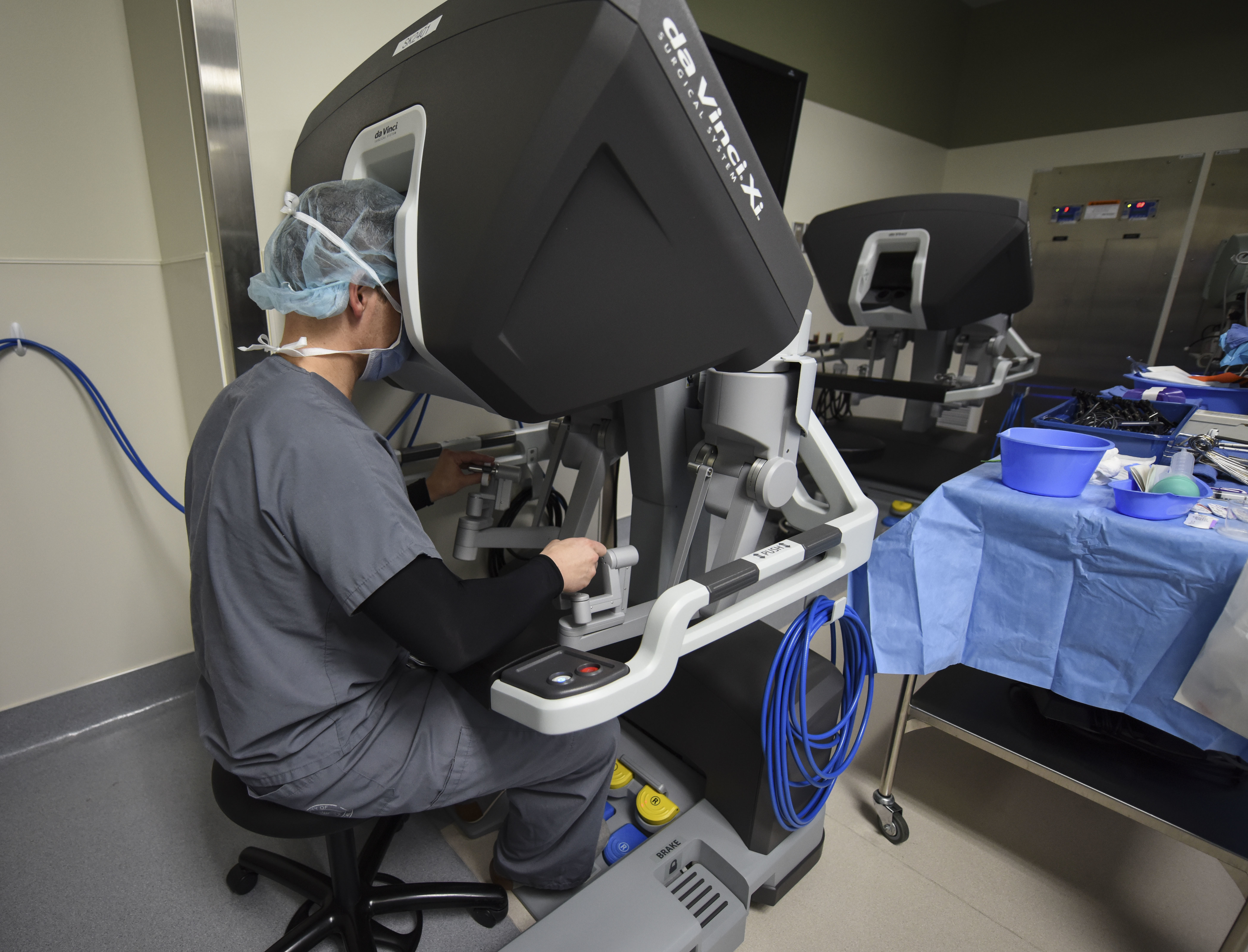 The ongoing COVID-19 pandemic has fast-tracked many changes to the Military Health System and forced all providers – especially nurses – to innovate at near-quantum speed with agility and flexibility.
Ekosistem Telehealth yang Terintegrasi Dipercaya Jadi Solusi Permudah Akses Kesehatan
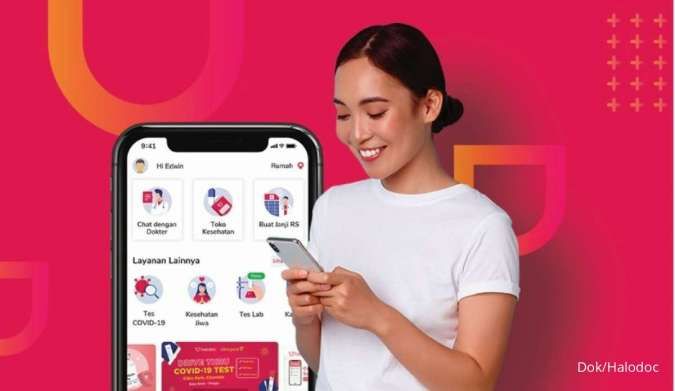 Terlepas dari pandemi, terbatasnya akses kesehatan di luar kota besar masih menjadi tantangan industri kesehatan tanah air. Ketidakmerataan fasilitas kesehatan daerah dibanding kota besar, jumlah dokter spesialis, ketersediaan stok obat dan jumlah apotek,
Investing in nurses and midwives to achieve universal health coverage in Zambia and Malawi
 Nurses and midwives are the center of health systems and often the first and sometimes the only health professionals that people have access to. In Zambia, nurses and nurse-midwives lead over half of rural facilities and guide primary healthcare delivery in almost all facilities.