
 Seorang anak di Kota Padang, AK (12 tahun) dikabarkan mengalami masalah penglihatan usai menjalani serangkaian pengobatan mata di Puskesmas Ulak Karang, Kecamatan Padang Utara, Kota Padang, Sumatera Barat (Sumbar). Belakangan muncul tudingan kondisi yang terjadi pada AK lantaran tenaga kesehatan (nakes) salah memberikan obat.
Pregnant women under pressure from omicron surge
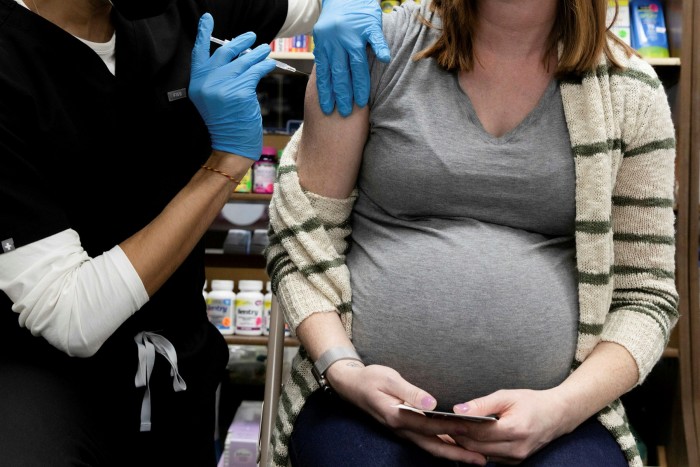 With her second baby due later this month, Shin Woo-jeong, 36, decided on a preemptive Cesarean section.
“I’ve read from the news about (infected) women being transferred while in labor to hospitals in distant cities in search for (a negative-pressure labor ward). I’m afraid I might not be able to find one for myself when my contractions begin,” said Shin, who has scheduled a Cesarean birth a week prior to the baby’s March 25 due date.
Perubahan Tatanan Global dan Optimalisasi Peran Dokter Spesialis Anak
 Prof Dr dr Aman Bhakti Pulungan Direktur Eksekutif International Pediatric Association dan Guru Besar Departemen Ilmu Kesehatan Anak, Fakultas Kedokteran Universitas Indonesia, Rumah Sakit Cipto Mangunkusumo
PADA 2015, Perserikatan Bangsa-Bangsa (PBB) secara resmi mengesahkan Sustainable Developing Goals (SDGs) yang merupakan kesepakatan pembangunan global.
Measuring the effects of COVID-19-related disruption on dengue transmission in southeast Asia and Latin America: a statistical modelling study
 The COVID-19 pandemic has resulted in unprecedented disruption to society, which indirectly affects infectious disease dynamics. We aimed to assess the effects of COVID-19-related disruption on dengue, a major expanding acute public health threat, in southeast Asia and Latin America.
IDI: Dua tahun pandemi, sistem pendataan COVID-19 RI perlu diperbaiki
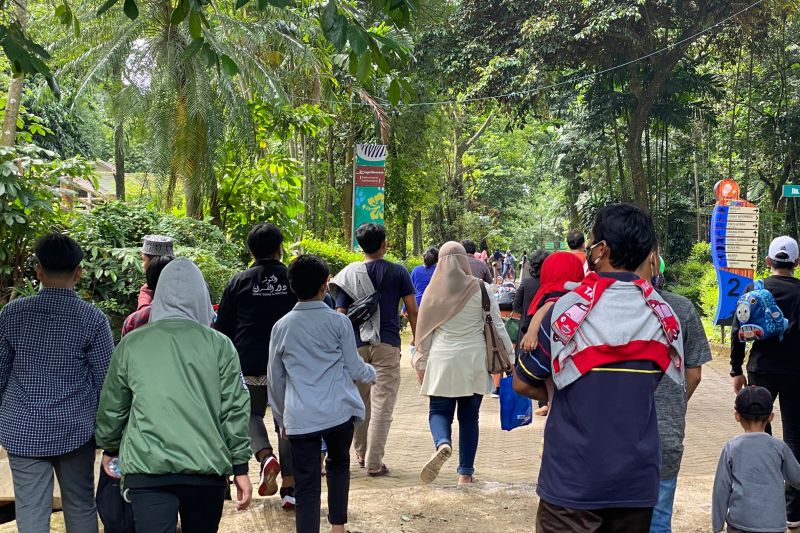 Ketua Satuan Tugas (Satgas) Penanganan COVID-19 Ikatan Dokter Indonesia (IDI) Prof. Zubairi Djoerban mengatakan memasuki tepat dua tahun pandemi pemerintah Indonesia seharusnya sudah mulai memperbaiki sistem pendataan setiap kasus yang ditimbulkan oleh virus COVID-19.
Pregnant in a Pandemic : What does the NHS Maternity Survey 2021 tell us about maternity care during the pandemic?
 The NHS Maternity Survey started in 2007 and the 2021 survey will be the eighth carried out to date. This is the first year the Maternity Survey has been offered in both paper and online methodologies and this has contributed to the survey achieving a response rate of 52% (up from 37% in 2019). The survey was sent to all mothers who gave birth in February 2021.[1] This means that respondents experienced the full maternity pathway from antenatal care to postnatal care, under pandemic conditions.
Pemanfaatan Teknologi Digital Selama Pandemi sebagai Media Penyampaian Informasi Kegiatan Posyandu di RW 02 Desa Pangkalan
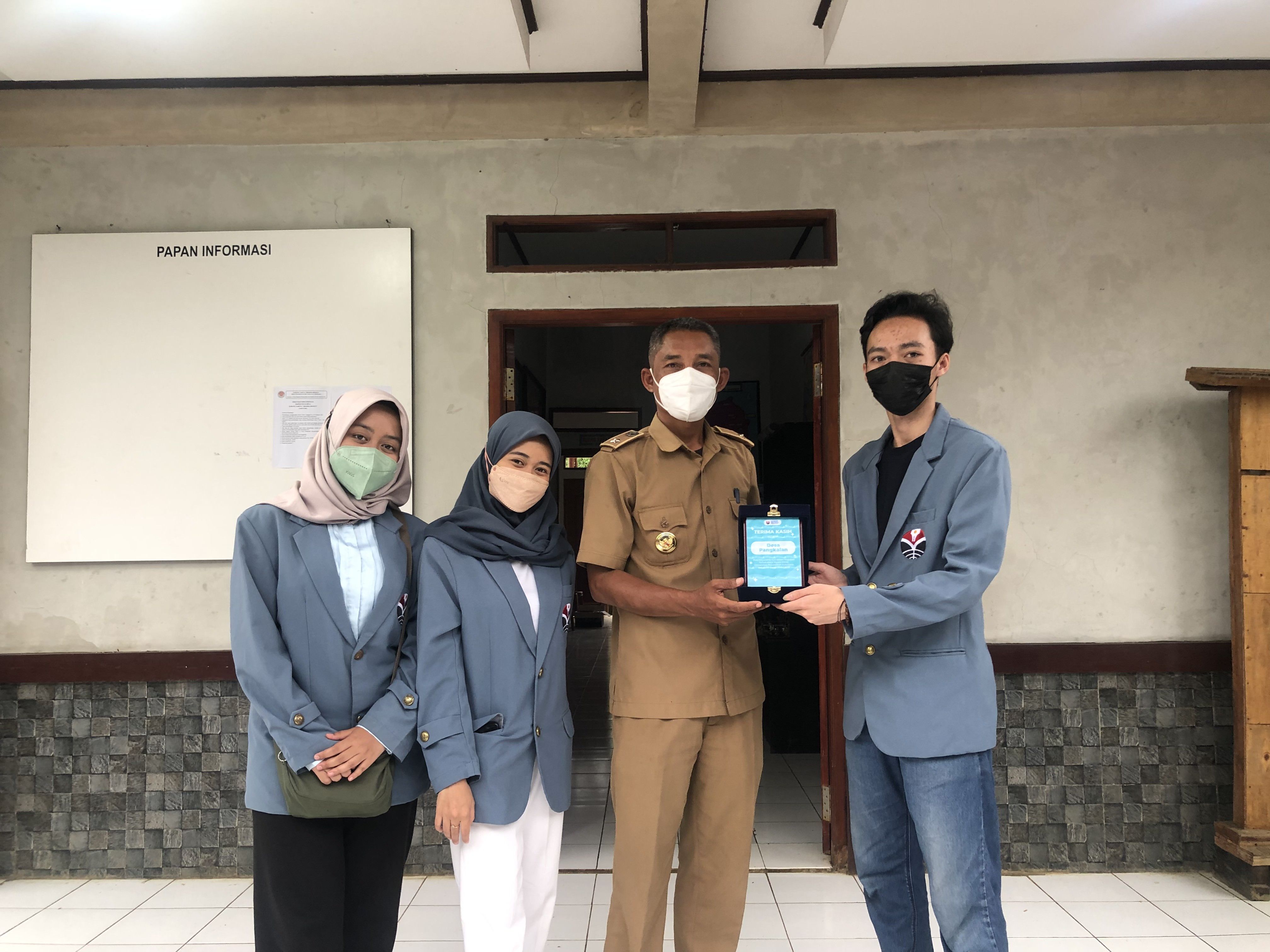 Posyandu merupakan salah satu bentuk Upaya Kesehatan Berbasis Masyarakat (UKBM) yang dikelola dan diselenggarakan dari, oleh, untuk dan bersama masyarakat dalam penyelenggaraan pembangunan kesehatan guna memberdayakan masyarakat dan memberikan kemudahan kepada masyarakat dalam memperoleh pelayanan kesehatan dasar/sosial dasar untuk mempercepat penurunan Angka Kematian Ibu dan Angka Kematian Bayi.
The future of Europe’s healthcare: ending inequalities and improving quality of life for all cannot wait
 Back in 2017, the EU enshrined “timely access to affordable, preventive and curative health care of good quality” in the European Pillar of Social Rights. Since then, the COVID-19 pandemic has brought home quite how vital quality healthcare is to our individual and collective wellbeing. Universal public healthcare is not a luxury, it is a cornerstone of our social market economies in which everyone has the right to live a long and healthy life.
Implementasi Kelas Standar BPJS Kesehatan Bertahap Mulai Tahun Ini
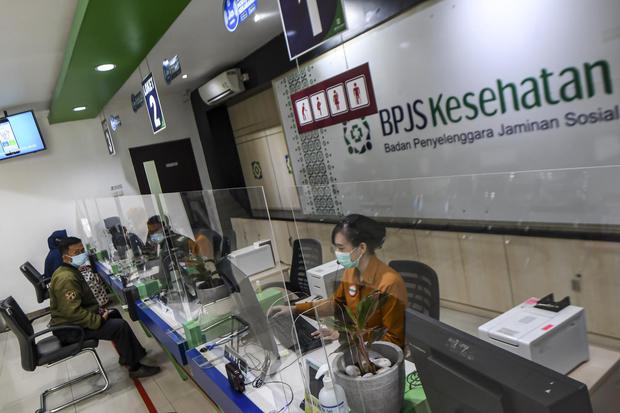 Pemerintah akan mulai mengimplementasikan perubahan kelas layanan peserta mandiri BPJS Kesehatan dari kelas 1-3 menjadi kelas standar secara bertahap mulai tahun ini. Kelas standar akan mulai berlaku di rumah sakit di bawah Kementerian Kesehatan pada tahun ini dan diimplementasikan secara penuh di seluruh rumah sakit rujukan BPJS Kesehatan pada 2024.
Improving quality of care for patients in hospitals
 The quality of services provided currently in general by both the public and private healthcare facilities in Bangladesh is certainly not beyond questions. This has been a cause for concern even at the policy level. High level deliberations have failed to create a consensus on how to develop a feasible regulatory mechanism or framework or more specifically create a set of standards or benchmark parameters to adhere to.