
HMC gets re-accreditation for palliative care programme
 The National Center for Cancer Care and Research (NCCCR), part of Hamad Medical Corporation’s (HMC) network of specialist hospitals,
Komisi Akreditasi Rumah Sakit Resmi Luncurkan Redowsko
 jpnn.com, JAKARTA – Komisi Akreditasi Rumah Sakit (KARS) pada hari ini kembali melaksanakan kegiatan Pertemuan Ilmiah tahunan yang keempat dilanjutkan dengan Semiloka Akreditasi Rumah sakit nasional.
Soal Pre Test
To keep patients safe in hospitals, the accreditation system needs an overhaul
 Once a year, inspectors visit hospitals across the country to assess their performance on a range of measures,
Komisi Akreditasi Rumah Sakit Resmikan Redowsko dan Serahkan Sertifikat Akreditasi Internasional
 TRIBUNNEWS.COM, JAKARTA – Komisi Akreditasi Rumah Sakit (KARS) menggelar kegiatan Pertemuan Ilmiah tahunan yang keempat
Powerful Quake Kills 14 on Indonesian Tourist Island Lombok
 SEMBALUN, Indonesia (Reuters) – A powerful 6.4 magnitude earthquake struck the popular tourist island of Lombok in Indonesia
Kelompok Relawan Ini Fokus Bantu Kesehatan dan Psikologi Korban Gempa Lombok
 TRIBUNJABAR.ID, BANDUNG- Lombok kembali diguncang gempang bumi 7,0 SR pada Minggu, pukul 21.56 WIB, (19/8/2018).
BPJS Kesehatan Melakukan Uji Coba Sistem Rujukan Online Mulai 15 Agustus 2018
 Badan Penyelenggara Jaminan Sosial (BPJS) Kesehatan mulai 15 Agustus sampai 30 September 2018 akan mengujicoba sistem rujukan online (daring) sebagai bagian dari upaya penerapan digitalisasi sistem rujukan dari puskesmas ke rumah sakit.
Bimbingan Teknis Audit keperawatan untuk Faskes
Kerangka Acuan Kegiatan
Surabaya, 3-4 September 2018

 Latar Belakang
PMK nomor 49 tahun 2013 menyebutkan bahwa meningkatkan profesionalisme, pembinaan etik dan disiplin tenaga keperawatan, serta menjamin mutu pelayanan kesehatan dan melindungi keselamatan pasien perlu dibentuk Komite Keperawatan di Rumah Sakit. Subkomite mutu profesi komite keperawatan bertugas melakukan audit keperawatan dan merekomendasikan kebutuhan pengembangan profesional berkelanjutan bagi tenaga keperawatan. Untuk itu, kami menyelenggarakan pelatihan “audit keperawatan” karena pelatihan ini penting untuk mengevaluasi mitu asuhan keperawatan yang diberikan kepada pasien.
 Tujuan
Secara umum tujuan kegiatan ini adalah meningkatkan keterampilan perawat dalam memberikan asuhan keperawatan yang bermutu. Secara khusus kegiatan ini bertujuan untuk:
- Memberikan pemahaman tentang peran Komite Keperawatan dalam peningkatan mutu asuhan keperawatan di rumah sakit
- Meningkatkan kemampuan dan fungsi Komite Keperawatan dalam melakukan audit keperawatan
 Narasumber
Narasumber dalam pelatihan ini adalah:
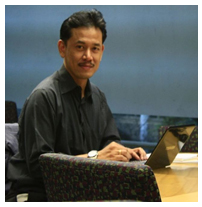 Hanevi Djasri, dr., MARS
Kepala Divisi Manajemen Mutu – PKMK FKKMK UGM sejak 2003. Sejak 2014 fokus dalam edukasi, pengembangan instrument dan regulasi, serta penelitian terkait pencegahan dan pengendalian fraud layanan kesehatan, terutama yang berhubungan dengan dampak fraud pada mutu pelayanan klinis. Kegiatan pengendalian fraud layanan kesehatan ini dilaksanakan bekerja sama dengan Kementerian Kesehatan, Dinas Kesehatan, BPJS Kesehatan, KPK, ACFE Indonesia, organisasi profesi, serta fasilitas-fasilitas kesehatan seluruh Indonesia.
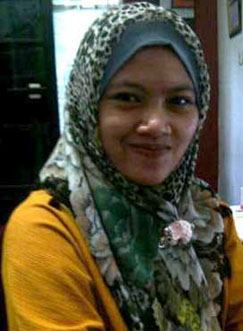 Eva Tirtabayu Hasri S.Kep, MPH
Peneliti di divisi manajemen mutu PKMK FKKKMK UGM sejak 2012.Berpengalaman sebagai fasilitator topik-topik akreditasi FKTP & FKRTL seperti audit klinis, audit keperawatan, clinical pathways, PMKP, deteksi dan monev fraud layanan kesehatan, HVA, dan TKMKB. Membantu Kementrian Kesehatan, BPJS Kesehatan, Dinas Kesehatan, FKTP & FKRTL dalam pendampingan penyusunan pedoman
kebijakan, fasilitator serta penelitian.
Sasaran Peserta
Kriteria peserta yang dapat mengikuti kegiatan ini adalah perawat yang ada di FKTP & FKRTL:
- Perawat pelaksana
- Rekam medis
- Direktur keperawatan
- Komite keperawatan
Persiapan Peserta
Sebelum pelatihan dimulai, peserta perlu mempersiapkan hal berikut:
- Notebook/ laptop untuk praktikum.
- Mengisi template isian data yang kami sediakan.
- Pedoman praktik keperawatan/standar asuhan keperawatan/pedoman praktik klinis
- Rekam medis 10 buah (diagnose medis sama)
*Tanpa ada data, peserta tidak dapat praktikum.
 Fasilitas
Fasilitas yang akan peserta dapatkan dalam pelatihan ini adalah:
- Seminar kit.
- Materi pelatihan dalam bentuk soft file.
- Instrumen audit keperawatan.
- Template laporan hasil audit keperawatan.
- Sertifikat kepesertaan dalam bentuk cetak.
 Jadwal Kegiatan
Jadwal pelatihan selama 2 hari adalah:
| Hari I | ||
| Waktu | Kegiatan | Narasumber |
| 08.30 – 08.45 | Pembukaan pelatihan | Fasilitator |
| 08.45 – 09.45 | Teori 1: Peran Audit Keperawatan dalam Meningkatkan Mutu Layanan Faskes | Eva Tirtabayu Hasri S.Kep,MPH |
| 09.45 – 10.00 | Coffee Break | |
| 10.00 – 11.00 | Teori 2: Langkah-langkah Audit Keperawatan | dr. Hanevi Djasri MARS |
| 11.00 – 12.00 | Praktikum 1: Menentukan Topik dan Kriteria | Tim |
| 12.00 – 13.00 | ISHOMA | |
| 13.00 – 14.00 | Praktikum 2: Mengumpulkan data | Tim |
| 14.00 – 15.00 | Praktikum 3: Analisa Data | Tim |
| 15.00 – 15.15 | Coffe Break | |
| 15.15 – 16.00 | Review hari 1 | Eva Tirtabayu Hasri S.Kep,MPH |
| Hari II | ||
| Waktu | Kegiatan | Narasumber |
| 08.30 – 09.00 | Resume hari pertama dan pembukaan hari kedua | Eva Tirtabayu Hasri S.Kep,MPH |
| 09.00 – 10.00 | Praktikum 4: Menentukan dan Menetapkan Perubahan | Tim |
| 10.00 – 10.15 | Coffee Break | |
| 10.15 – 10.45 | Presentasi 1. Hasil Audit Keperawatan | Tim |
| 10.45 – 12.00 | Presentasi 2. Hasil Audit Keperawatan | Tim |
| 12.00 – 13.00 | ISHOMA | |
| 13.00 – 13.45 | Presentasi 3. Hasil Audit Keperawatan | Tim |
| 13.45 -14.30 | Presentasi 4. Hasil Audit Keperawatan | Tim |
| 14.30 – 15.00 | Laporan Audit Keperawatan | dr. Hanevi Djasri MARS |
| 15.00 – 15.30 | Coffee Break | |
| 15.30 – 16.00 | Penutup & Rencana Tindak Lanjut | dr. Hanevi Djasri MARS |
 Biaya
Biaya
Early bird (1 bulan sebelum acara):
- Peserta perorangan Rp. 3.000.000/ orang
- Peserta berkelompok mulai dari 5 – 9 orang Rp. 2.500.000/ orang (mulai dari Rp. 12.500.000 – Rp. 22.500.000)
- Peserta berkelompok mulai dari 10 – lebih Rp. 2.000.000/ orang (mulai dari Rp. 20.000.000 – lebih)
Reguler & Onsite:
- Peserta perorangan Rp. 3.500.000/ orang
- Peserta berkelompok mulai dari 5 – 9 orang Rp. 3.000.000/ orang (mulai dari Rp. 15.000.000 – Rp. 27.000.000)
- Peserta berkelompok mulai dari 10 – lebih Rp. 2.500.000/ orang (mulai dari Rp. 25.000.000 – lebih)
 Kontak
- Informasi Konten
Eva Tirtabayu Hasri S.Kep, MPH | 082324332525 | eva.tbh@gmail.com - Informasi Penyelenggaraan
Maria Lelyana | 08111019077 | lelyana.pkmk@gmail.com
Anantasia Noviana, SE | 082116161620 | novi_pmpk@yahoo.com