
 Kompas.com — Kasus pidana yang menimpa beberapa dokter atas tuduhan malapraktik
Wamenkes : Masyarakat Mesti Paham SOP Rumah Sakit
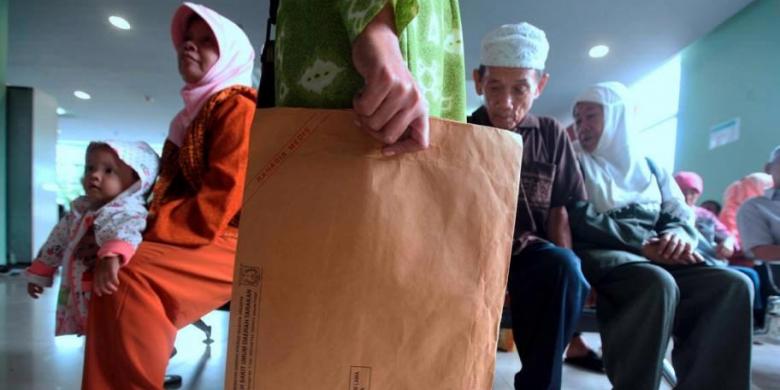 Kompas.com – Isu kriminalisasi dokter yang tengah menghangat kemungkinan memiliki akar permasalahan yang cukup klasik, yaitu ketidaktahuan masyarakat pada standar operasional prosedur (SOP) rumah sakit terkait tindak pelayanan kesehatan yang diberikan. Termasuk di antaranya tindakan dalam keadaan darurat dengan tingkat ketidakpastian tinggi.
Awasi Kinerja Dokter, Komite Medis Tiap RS Diimbau Giat Evaluasi
 Jakarta (detik.com) – Ribut-ribut dr Dewa Ayu Sasiary Prawani dkk vs pasien di RS Kandou Manado menjadi pelajaran berharga bagi dunia kesehatan. Setiap rumah sakit sebenarnya sudah memiliki peraturan hubungan antara RS dan dokter. Ada Komite Medis di setiap rumah sakit yang mengawasi kinerja dokter RS. Komite ini diminta intens melakukan evaluasi dokter.
tes
Hari 1
|
Time |
Activities |
Responsible person |
|
09.00 – 09.15 |
Welcome Address |
Dr. Suwit, Dr. Winai, Dr. Viroj, Dr. Anuwat, and Dr Piyawan |
|
09.15 – 10.30 |
Overview of UHC
|
Presentation by Dr Suwit Wilbulpolprasert, the senior advisor to Thai MOPH |
|
10.30 – 10.45 |
Coffee break |
|
|
10.45 – 12.00 |
UC Scheme
|
Dr Viroj Tangcharoensathien, Senior Advisor of International Health Policy Program (IHPP) |
|
12.00 – 12.45 |
Lunch |
|
|
12.45 – 13.30 |
Move from the hotel to NHSO |
|
|
13.30 – 15.30 |
Study tour at NHSO – the organization which operates the UC Scheme for 47 million population or 75% of total Thai population
|
Ms Wilailuk Wisasa, and NHSO staff |
|
15.30 – 15.45 |
Coffee break |
|
|
15.45 – 17.00 |
NHSO and application of HA
|
NHSO |
Hari 2
|
Time |
Activities |
Responsible person |
|
09.00 – 09.15 |
Recap of Day 1 |
A representative of participants |
|
09.15 – 09.30 |
Introduction and welcome on HA
|
Anuwat Supachutikul, MD. Piyawan Limpanyalert, MD. |
|
09.30 – 10.00 |
Concept of quality & accreditation |
Anuwat Supachutikul, MD. |
|
10.00 – 12.00 |
How to: Standard setting From basic to advance |
Anuwat Supachutikul, MD. |
|
12.00 – 13.00 |
Lunch |
|
|
13.00 – 13.30 |
Café-style storyboard session Learning standard across the Group |
Piyawan Limpanyalert MD. |
|
13.30 – 14.30 |
Scoring guideline: Step by step for assessment |
Anuwat Supachutikul MD. |
|
14.30 – 14.45 |
Break |
|
|
14.45 – 15.45 |
Group discussion: Applying lessons to your context |
Anuwat Supachutikul MD. Kittinan Anakamanee MD. Piyawan Limpanyalert MD. |
|
15.45 – 16.30 |
Talk about surveyor: Competency & Training |
Anuwat Supachutikul MD. Kittinan Anakamanee MD. Piyawan Limpanyalert MD. Phongpan Tana |
|
16.30 – 17.00 |
Group discussion: Where we are now, and how to walk together |
Anuwat Supachutikul MD. |
Hari 3
|
Time |
Activities |
Responsible person |
|
09.00 – 09.15 |
Recap of Day 2 |
Anuwat Supachutikul, MD. Piyawan Limpanyalert, MD. |
|
09.15 – 10.30 |
Survey Process: Concept, system thinking, tracer, report, decision |
Anuwat Supachutikul, MD. |
|
10.30 – 10.45 |
Break |
|
|
10.45 – 11.30 |
Panel Session: Sharing of surveyor experience |
Anuwat Supachutikul, MD. Somjit Cheejareon, MD. Phongpan Tana |
|
11.30 – 12.00 |
Group discussion: Where we are now, and how to walk together |
|
|
12.00 – 13.00 |
Lunch |
|
|
13.00 – 14.00 |
Café-Style Storyboard Session Models and Innovations of quality tools across the Group |
|
|
14.00 – 15.00 |
Quality Improvement support |
Anuwat Supachutikul, MD. Duangsamorn Bunpadung |
|
15.00 – 15.15 |
Break |
|
|
15.15 – 16.15 |
Organization management: Leadership, strategy, human resource, information and technology |
Anuwat Supachutikul, MD. Piyawan Limpanyalert, MD |
|
16.15 – 16.45 |
Group discussion: Applying lessons to your context Action-Planning at the Country-Level |
Anuwat Supachutikul MD. Kittinan Anakamanee MD. Piyawan Limpanyalert MD. |
|
16.45 – 17.00 |
Briefing on Day 4 Study visit to Siriraj Medical School Hospital |
|
Hari 4
|
Time |
Activities |
Responsible person |
|
09.00 – 09.15 |
Group photo in front of Prince of Mahidol Statue |
|
|
09.20 – 10.30 |
VCD presentation of Faculty of Medicine Siriraj Hospital |
|
|
09.30 – 09.35 |
Welcome by Dean |
|
|
09.35 – 10.00 |
Lecture on “Universal Health Coverage at Siriraj Hospital” |
|
|
10.00 – 10.30 |
Lecture on “Hospital Accreditation Program Realization at Siriraj Hospital” |
|
|
10.30 – 11.00 |
Sharing and Discussion |
|
|
11.00 – 11.30 |
Group A: Group B: |
|
|
11.30 – 12.00 |
Group A: Group B: |
|
|
12.00 – 13.00 |
Lunch |
|
|
13.15 – 14.00 |
Visit Siriraj Piyamaharajkarun Hospital (SiPH)
|
|
|
14.00 – 15.30 |
Visit Siriraj Bhimukstan Museum |
|
|
15.30 |
Leave from the Hospital |
|
|
18.00 – 20.00 |
Thank you party – dinner hosted by CAP UHC and HA |
|
Hari 5
|
Time |
Activities |
Responsible person |
|
09.00 – 09.10 |
Recap of Day 4 |
Participant |
|
09.10 – 10.30 |
Wrap up
|
Anuwat Supachutikul MD. Piyawan Limpanyalert MD |
|
10.30 – 10.45 |
Coffee break |
|
|
10.45 – 11.30 |
Key Lessons learned and moving forward together |
Anuwat Supachutikul MD. Kittinan Anakamanee MD. Piyawan Limpanyalert MD. |
|
11.30 – 12.00 |
Closing remarks |
Dr Suwit, Dr Winai, Dr Phusit, Dr Viroj, Dr Anuwat, Dr Piyawan and Dr Kittinan |
|
12.00 – 13.00 |
Lunch |
Exchange and Study Program on “Universal Health Coverage and Hospital Accreditation Program Realization”
Exchange and Study Program on “Universal Health Coverage and
Hospital Accreditation Program Realization”

PKMK, Bangkok – Program Exchange and Study Program on “Universal Health Coverage and Hospital Accreditation Program Realization” telah dilaksanakan pada tanggal 25 – 29 November 2013. Program yang dilaksanakan di Bangkok, Thailand ini terdiri dari seminar dan study tour. Seminar dilaksanakan di Narai Hotel. Sedangkan saat study tour, peserta diajak berkunjung ke National Health Security Office (NHSO) dan Faculty of Medicine Siriraj Hospital.
Ada dua tema besar yang diangkat pada program kali ini, Universal Health Coverage (UHC) dan Hospital Accreditation (HA). Tujuan panitia mengangkat tema UHC adalah: (a) untuk berbagi formulasi kebijakan, implementasi, outcome dan tantangan-tantangan pelaksanaan UHC dalam skema Universal Coverage di Thailand, (b) untuk bertukar informasi dari negara lain mengenai program-program yang mereka lakukan dalam menghadapi UHC, (c) untuk membangun jejaring diantara partisipan. Sedangkan tema HA diangkat dengan tujuan: (a) untuk mendapat pemahaman mendalam mengenai konsep mutu dan proses akreditasi untuk mengembangkan akreditasi dan rencana implementasi, (b) untuk mengidentifikasi dan berbagi inovasi sukses dalam proses akreditasi di masing-masing negara peserta (termasuk penyusunan standar, tahap-tahap penilaian dan roadmap bagi surveyor), (c) untuk mengikat partisipan untuk mendukung HA sebagai upaya peningkatan kualitas layanan dalam skema UHC.
Jadwal kegiatan program dapat dilihat dalam tabel berikut:
|
Hari 1 |
|||
|
Jam |
Kegiatan |
Penanggung Jawab |
Reportase & Materi |
|
09.00 – 09.15 |
Welcome Address |
Dr Suwit, Dr Winai, Dr Viroj, Dr Anuwat and Dr Piyawan |
|
|
09.15 – 10.30 |
Overview of UHC
|
Presentation by Dr Suwit Wilbulpolprasert, the senior advisor to Thai MOPH |
|
|
10.30 – 10.45 |
Coffee break |
||
|
10.45 – 12.00 |
UC Scheme
|
Dr Viroj Tangcharoensathien, Senior Advisor of International Health Policy Program (IHPP) |
|
|
12.00 – 12.45 |
Lunch |
||
|
12.45 – 13.30 |
Move from the hotel to NHSO |
||
|
13.30 – 15.30 |
Study tour at NHSO – the organization which operates the UC Scheme for 47 million population or 75% of total Thai population
|
Ms Wilailuk Wisasa, and NHSO staff |
|
|
15.30 – 15.45 |
Coffee break |
||
|
15.45 – 17.00 |
NHSO and application of HA
|
NHSO |
|
|
Hari 2 |
|||
|
Jam |
Kegiatan |
Penanggung Jawab |
Reportase dan Materi Presentasi |
|
09.00 – 09.15 |
Recap of Day 1 |
A representative of participants |
|
|
09.15 – 09.30 |
Introduction and welcome on HA
|
Anuwat Supachutikul, MD. Piyawan Limpanyalert, MD. |
|
|
09.30 – 10.00 |
Concept of quality & accreditation |
Anuwat Supachutikul, MD. |
|
|
10.00 – 12.00 |
How to: Standard setting |
Anuwat Supachutikul, MD. |
|
|
12.00 – 13.00 |
Lunch |
||
|
13.00 – 13.30 |
Café-style storyboard session Learning standard across the Group |
Piyawan Limpanyalert MD. |
|
|
13.30 – 14.30 |
Scoring guideline: Step by step for assessment |
Anuwat Supachutikul MD. |
|
|
14.30 – 14.45 |
Break |
||
|
14.45 – 15.45 |
Group discussion: Applying lessons to your context |
Anuwat Supachutikul MD. |
|
|
15.45 – 16.30 |
Talk about surveyor: Competency & Training |
Anuwat Supachutikul MD. |
|
|
16.30 – 17.00 |
Group discussion: Where we are now, and how to walk together |
Anuwat Supachutikul MD. |
|
|
Day 3 |
|||
|
Jam |
Kegiatan |
Penanggung Jawab |
Reportase dan Materi Presentasi |
|
09.00 – 09.15 |
Recap of Day 2 |
Anuwat Supachutikul, MD. |
|
|
09.15 – 10.30 |
Survey Process: Concept, system thinking, tracer, report, decision |
Anuwat Supachutikul, MD. |
|
|
10.30 – 10.45 |
Break |
||
|
10.45 – 11.30 |
Panel Session: Sharing of surveyor experience |
Anuwat Supachutikul, MD. |
|
|
11.30 – 12.00 |
Group discussion: Where we are now, and how to walk together |
||
|
12.00 – 13.00 |
Lunch |
||
|
13.00 – 14.00 |
Café-Style Storyboard Session
|
|
|
|
14.00 – 15.00 |
Quality Improvement support |
Anuwat Supachutikul, MD. |
|
|
15.00 – 15.15 |
Break |
||
|
15.15 – 16.15 |
Organization management: Leadership, strategy, human resource, information and technology |
Anuwat Supachutikul, MD. |
|
|
16.15 – 16.45 |
Group discussion: Applying lessons to your context |
Anuwat Supachutikul MD. |
|
|
16.45 – 17.00 |
Briefing on Day 4 Study visit to Siriraj Medical School Hospital |
||
|
Hari 4 |
|||
|
Jam |
Kegiatan |
Penanggung Jawab |
Reportase dan Materi Presentasi |
|
09.00 – 09.15 |
Group photo in front of Prince of Mahidol Statue |
||
|
09.20 – 09.30 |
VCD presentation of Faculty of Medicine Siriraj Hospital |
||
|
09.30 – 09.35 |
Welcome by Dean |
|
|
|
09.35 – 10.00 |
Lecture on “Universal Health Coverage at Siriraj Hospital” |
 |
|
|
10.00 – 10.30 |
Lecture on “Hospital Accreditation Program Realization at Siriraj Hospital” |
||
|
10.30 – 11.00 |
Sharing and Discussion |
||
|
11.00 – 11.30 |
Group A:
Group B:
|
|
|
|
11.30 – 12.00 |
Group A:
Division (PCU) Group B:
|
||
|
12.00 – 13.00 |
Lunch |
||
|
13.15 – 14.00 |
Visit Siriraj Piyamaharajkarun Hospital (SiPH)
|
|
|
|
14.00 – 15.30 |
Visit Siriraj Bhimukstan Museum |
||
|
15.30 |
Leave from the Hospital |
||
|
18.00 – 20.00 |
Thank you party – dinner hosted by CAP UHC and HA |
||
|
Hari 5 |
|||
|
Jam |
Kegiatan |
Penanggung Jawab |
Reportase dan Materi Presentasi |
|
09.00 – 09.10 |
Recap of Day 4 |
Participant |
|
|
09.10 – 10.30 |
Wrap up
|
Anuwat Supachutikul MD. Piyawan Limpanyalert MD |
|
|
10.30 – 10.45 |
Coffee break |
||
|
10.45 – 11.30 |
Key Lessons learned and moving forward together |
Anuwat Supachutikul MD. |
|
|
11.30 – 12.00 |
Closing remarks |
Dr Suwit, Dr Winai, Dr Phusit, Dr Viroj, Dr Anuwat, Dr Piyawan and Dr Kittinan |
|
|
12.00 – 13.00 |
Lunch |
||


Resmikan SIM BPJS Kesehatan, Menkes Bangga
 Jakarta (beritasatu.com) – Menteri Kesehatan (Menkes) Nafsiah Mboi meresmikan Sistem Informasi Manajemen (SIM) Badan Penyelenggara Jaminan Sosial (BPJS) Kesehatan. SIM yang terintegrasi dalam posko 24 jam BPJS Kesehatan ini terletak di Kantor Pusat PT Askes, Jalan Letjen Soeprapto Cempaka Putih, Jakarta.
Angka Kematian Ibu dan Bayi di Dompu Optimistis Turun pada 2015
 Dompu (Metrotvnews.com): Angka kematian ibu dan bayi di Kabupaten Dompu, Nusa Tenggara Barat (NTB), menurun selama tiga tahun terakhir. Selama 2013, angka kematian ibu dan bayi masih jauh dari target Millennium Development Goals (MDGs).
Menkes Dorong RSUP Persahabatan Jadi Layanan Respirasi Kelas Dunia
 Okezone.com – Saat ini, tantangan yang dihadapi rumah sakit semakin kompleks. Oleh karena itu, diperlukan peningkatan mutu pelayanan rumah sakit menuju pelayanan kelas dunia.
Infrastruktur Jadi Salah Satu Syarat
 Jambi (Jambiekspres.co.id)- Empat rumah sakit plat merah di Provinsi Jambi yang belum terakreditasi tetap bisa menjalankan program Jaminan Kesehatan Nasional (JKN) per 1 Januari 2014 mendatang.
RS Dengan Pelayanan Terbaik Siap-siap Terima Penghargaan HKN 2013
 Jakarta (Liputan6.com) : Bagi rumah sakit yang sudah memberikan pelayanan terbaik untuk pasiennya, siap-siaplh. Bisa jadi pada acara puncak Hari Kesehatan Nasional (HKN) ke-49 dapat menerima penghargaan untuk kategori rumah sakit terbaik.